
Ocarina of Time on N64 is Worth Revisiting if you enjoy learning how a place works through exploration, tools, and observation. Its targeting, tool-based puzzles, and changing world still give the adventure a clear identity. If camera control and frequent menu use already sound exhausting, I would choose a more convenient edition or wait for the remake instead.
Nintendo's Switch 2 product page currently lists November 5, 2026, and advertises enhanced controls and modern camera movement. I am judging the original's documented design and practical tradeoffs here, not reviewing the unreleased remake or reporting a new playthrough. Whether its revised controls solve your particular frustrations will need launch evidence.
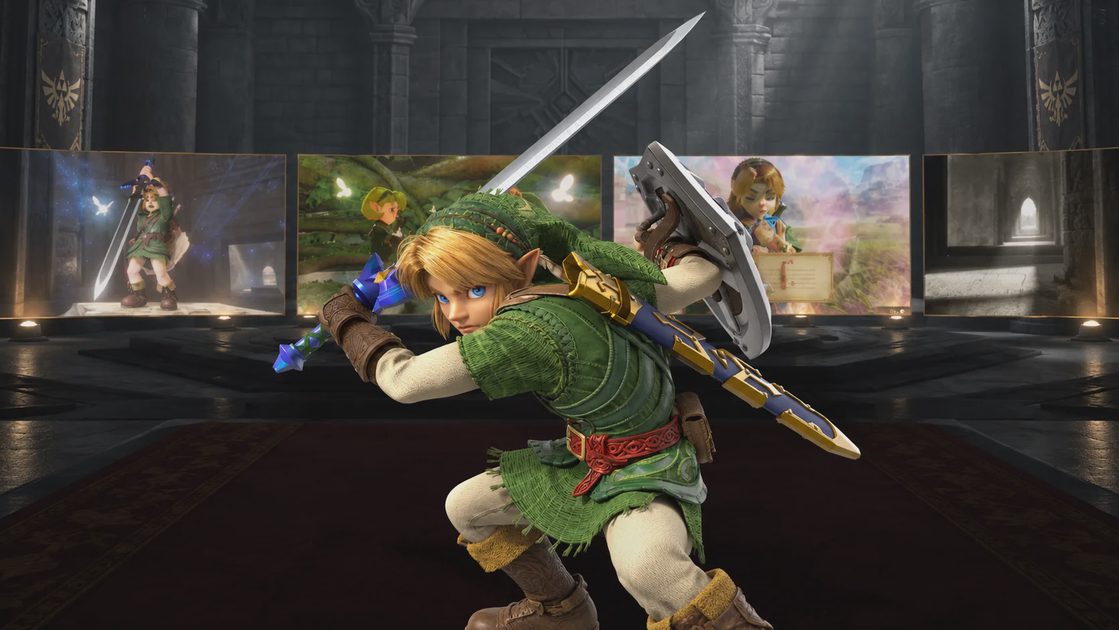
Choose the experience you actually want
I would start with your reason for returning. Learning how the original works, revisiting a familiar adventure, and discovering the story for the first time call for different choices.
What you want | My starting choice | What to accept |
|---|---|---|
Understand the original design | The N64 game through an available official release | Older camera and equipment management |
Revisit with a 3DS copy you already own | Ocarina of Time 3D | A different interface and presentation |
Make the newest presentation your first discovery | Wait for the Switch 2 remake and launch coverage | Its advertised improvements remain untested here |
For a busy adult, access matters too. Buying another console solely to investigate a classic is a substantial commitment. I would first check the hardware, subscription, or copy already available, then decide whether the differences justify spending anything.
Why the old adventure still earns attention
A spiderweb becomes a question about space
Inside the Great Deku Tree, an early web stretched across the floor initially looks like another obstacle. Breaking through it requires paying attention to the room's height and Link's movement, rather than finding a stronger sword.
The important part is the relationship between what you see and what you can do. Looking down from above changes the meaning of something encountered below. The room teaches you to connect positions within a space instead of treating each screen as a separate challenge.
That is the kind of discovery I value here: a room's layout becomes part of the answer. It rewards looking at a familiar obstacle from a new position. You don't need a sprawling map for that shift in understanding to feel satisfying.
It also explains why wandering isn't automatically wasted time. Returning to a familiar room with a better understanding can be progress. The distinction is whether you have noticed a new possibility or are merely repeating the same circuit without a useful question.
A melody becomes an action
The ocarina gives remembered music a practical role. The Sun's Song, for example, changes day to night or night to day, making a melody a way to work with the world's daily rhythm. Music isn't only something playing behind the action; performing it can be the action.
I find that connection more distinctive than a checklist of equipment upgrades. A song can carry both a recognizable sound and a useful purpose. Remembering it helps the world feel connected through things the player understands, rather than through an increasingly crowded interface.
There is a cost: repeated performances and their accompanying pauses can feel slow when your evening is short. Whether you welcome that rhythm matters more than whether someone else calls it timeless. I would judge the repetition alongside the pleasure of recognition, not excuse it because the soundtrack is famous.
Learn targeting before blaming the controller
Ocarina of Time controls belong to a design in which targeting does some work now commonly assigned to a freely controlled camera. The original Nintendo manual explains Z-targeting, view recentering, automatic jumping, and context-sensitive actions.
On the original controller, Z can bring the view behind Link or focus on a relevant target. Switch and Hold targeting options change how that focus is maintained. Modern controller mappings need checking separately; an old instruction naming Z doesn't identify the correct button on every current setup.
Before judging combat, try three things in a safe area:
Recenter while facing different directions. Learn which way the camera follows Link.
Target an available object or enemy. Notice how facing and sideways movement change.
Watch the action prompt. Its function changes with context, and suitable jumps happen automatically while moving toward an edge.
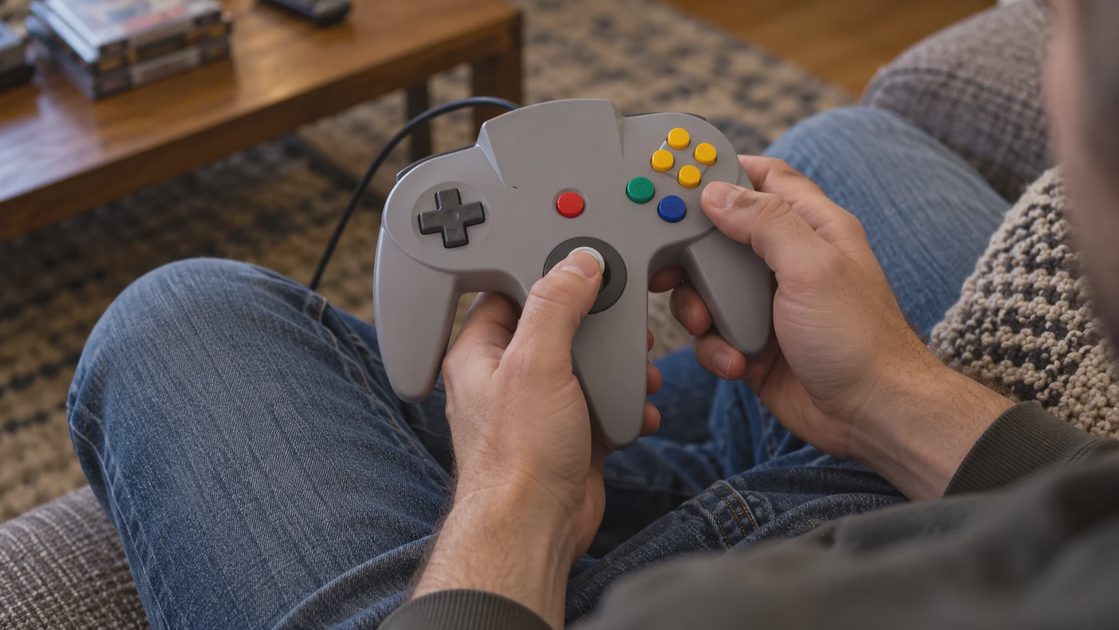
These conventions can become understandable without becoming comfortable. If you keep fighting the camera after learning its basic behavior, that is a meaningful reason to choose another edition. Historical importance doesn't make an uncomfortable controller arrangement a good use of tonight.
Separate puzzle difficulty from menu work
The Water Temple exposes a distinction worth carrying into any replay: understanding a space and repeatedly managing equipment are different demands. A dungeon can offer an interesting spatial problem while its interface makes each attempt cumbersome.
In Nintendo's Ocarina of Time 3D development interview, Eiji Aonuma discusses using the two-screen arrangement to make changing Iron Boots faster. That gives the 3DS edition a practical advantage beyond sharper presentation.
If you already own Zelda: Ocarina of Time 3D, easier equipment access is a useful reason to return to that copy. A more convenient interface can preserve the puzzle while reducing the work between attempts. It doesn't tell us how the forthcoming remake handles the same problem.
My dividing line is whether the interruption contributes to the decision. Choosing a route can be absorbing. Reopening equipment menus to execute that choice can simply add friction. You can admire the first while preferring a version that reduces the second.
The quieter stretches deserve the same honesty. Conversations, travel between destinations, and revisiting a place can give discoveries room to settle. They also take time. If you want a compact sequence of challenges with little interruption, the adventure's slower connective tissue may be a bigger obstacle than its combat. A suspend feature makes stopping easier; it doesn't change that pace.
Pick a stopping method before a worknight session
An official modern route to the N64 game is Nintendo Switch Online + Expansion Pack. This is access to the older game through a classic-game library, separate from buying the Switch 2 remake. The standard subscription tier alone doesn't provide the N64 library.
The Ocarina of Time save system also needs separating from the platform's features:
Original in-game save: Save through the game's own menu before switching off, and never interrupt a save in progress. Don't treat that file as a promise to resume at the exact spot where you stopped.
After a Game Over: The manual lists Link's house for child Link in the field, the Temple of Time for adult Link outside a dungeon, and the dungeon entrance for defeat inside one. Continuing can mean retracing part of your route.
Nintendo Classics Suspend Point: Nintendo documents a separate save-slot feature for its classic-game libraries, including N64. This belongs to the application rather than the original cartridge.
For a short evening, I would use the documented stopping features of the selected edition and keep normal in-game saves as well. Before leaving, write one sentence naming the next room, person, or action. Remembering your intention can matter as much as preserving your position.
If you're using Nintendo Classics, try this before a longer session:
Create a Suspend Point in a safe place before making meaningful progress.
Move a little, then load that point to confirm how resuming works on your setup.
Check the timestamp before loading or overwriting a slot; returning to an older point discards the actions taken afterward.
Keep this check small. Its purpose is to make an interruption manageable, not to turn every encounter into a save-management exercise.
Take a small hint, then decide whether to continue
For Ocarina of Time hints, start with the uncertainty you actually have. Not knowing where to investigate needs a different answer from not understanding an enemy's response. Check the game's available advice and map, then seek the smallest outside clue that gives the next attempt a purpose.
Close the guide once that purpose becomes clear. Following an entire dungeon solution answers many questions you haven't yet had the chance to enjoy. Optional secrets can wait; collecting everything isn't necessary to judge the adventure.
Ocarina of Time Master Quest is a separate challenge. In the 3DS edition, it changes dungeon puzzles and mirrors the world. Leave it for a deliberate return if you want familiar spaces to demand new answers; the regular adventure is enough for a first visit.
After your first comfortable session, ask: Did I learn the controls, find a useful next goal, and want to see what happens there? If so, continue. If the strongest feeling is relief when you stop, change editions or leave this replay for another time. That is a better decision than finishing from obligation.