Super Mario World is Worth Revisiting, especially if you want a platformer that can make a short evening feel complete. I recommend it for the pleasure of moving through a level, with one practical condition: know how your chosen version saves before you settle in. The jumping has aged more gracefully than the original saving routine.
When I have forty minutes, this is one of the games I turn to for a couple of levels. I don't need to make meaningful progress through a sprawling story. Getting through a familiar stretch with a little more control is enough.
For this Super Mario World review, my recommendation depends on what you want from that time:
Return for movement and discovery. A few courses can be satisfying even when you leave the larger adventure unfinished.
Expect some relearning. Cape flight and alternate exits reward attention; familiarity with modern Mario games won't explain every detail.
Choose another game if you want constant novelty. Remembered routes can become comfortable enough to lose their challenge.
The controls reward attention before they demand mastery
What I value most about Super Mario World's controls is the room between getting across a gap and making the jump feel deliberate. You can approach cautiously, then learn how speed changes the same patch of ground.
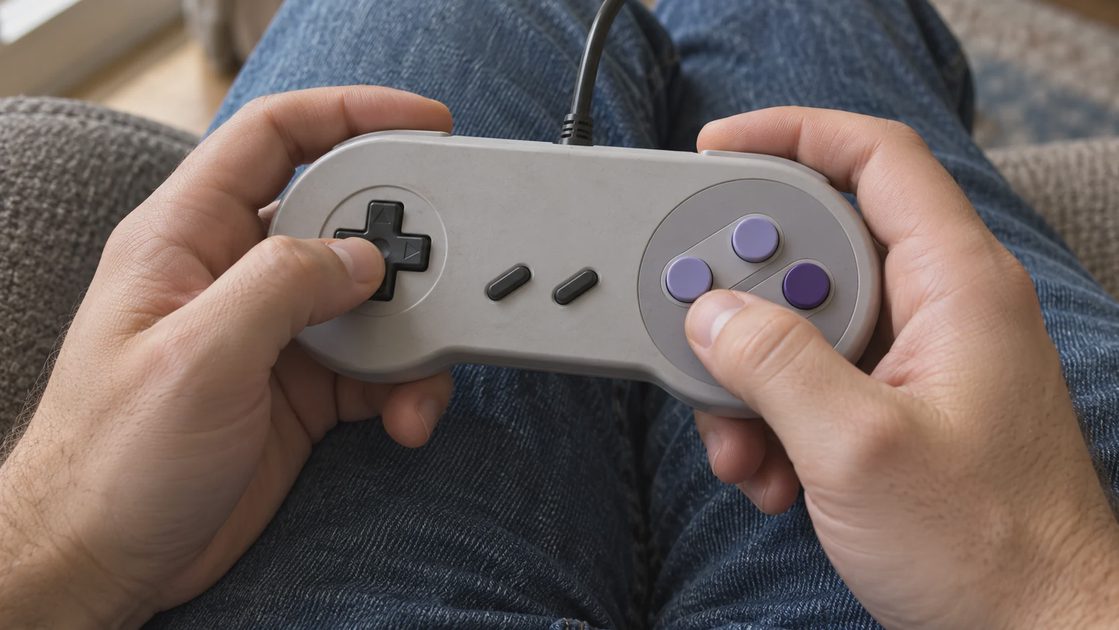
On the SNES layout, B jumps, A performs a spin jump, and Y or X handles running and carrying objects. The distinction matters: treating every obstacle as an invitation to press the same jump button leaves useful options unexplored. Nintendo's original instruction booklet is still a useful reference for those less obvious actions.
I would give a returning player a much smaller assignment than finishing the first world:
Take one familiar gap slowly. Notice where you start the jump.
Try it with a running approach. Keep the landing point in mind rather than rushing into the next obstacle.
Practice the spin jump separately. Learn its movement before relying on it under pressure.
These are practice suggestions, not a timed test. The useful result is being able to explain a missed landing: too much speed, a late takeoff, or the wrong action.
The cape asks more of you. Taking off and managing flight can feel awkward before it becomes expressive. I would learn it over forgiving ground instead of expecting the first feather to provide instant competence. A classic can have excellent controls and still require a little patience.
Yoshi adds another useful choice. His tongue can deal with an enemy you might otherwise jump over, but riding him changes which actions are available.
I like that a friendly companion can alter how I approach familiar ground. It encourages a second look at a course without requiring an entirely new set of rules.
The levels give that movement somewhere interesting to go
My favorite way to explain Super Mario World's level design is to separate crossing a course from investigating it. Those are different pleasures, and the game makes room for both.
A straightforward run gives you slopes, moving platforms, enemies, and changing terrain to read. Exploration asks you to consider the space around the obvious route. A suspicious opening or a path you cannot yet reach can give the same stage a second purpose.
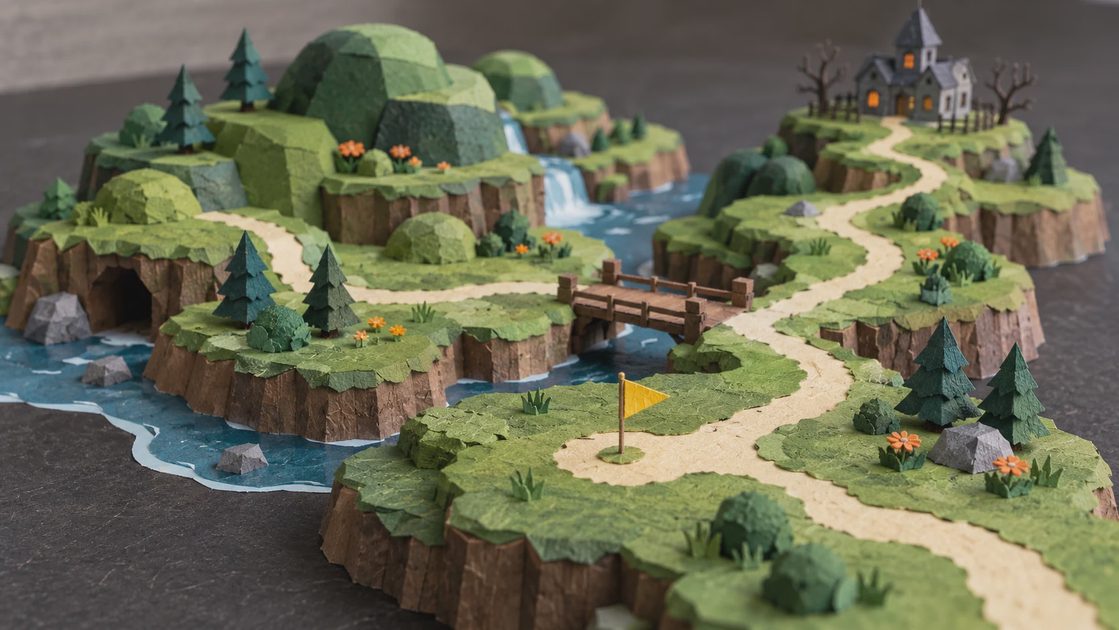
That makes the world map valuable. It gives discoveries a place to land. A hidden route changes how you move around Dinosaur Land, so finding something can matter beyond the moment of discovery.
The Ghost Houses put that change of pace into sharper focus. Finding the way out takes precedence over keeping a smooth running rhythm. If I were circling the same rooms without learning anything, I would stop and reconsider the route rather than simply move faster. That is a different demand from executing a difficult jump, and it deserves a different response.
I also appreciate how clearly the scenery establishes mood. The rounded hills and open skies feel welcoming; a Ghost House suggests hesitation and searching. I don't need photorealistic detail to understand that the game is asking me to change pace. Its visual economy keeps the next obstacle readable without making the places interchangeable.
The recurring melodies help a short replay feel settled quickly. I value how readily the game establishes a mood without requiring an introduction or a recap of where the story left off.
None of that makes every stage equally enjoyable. Swimming and automatically scrolling sections can interrupt the rhythm if what you came back for was running and jumping at your own pace. I wouldn't dismiss that irritation merely because the next stretch is excellent. It is a real reason to prefer some parts of this game to others.
Choose a replay goal before chasing every exit
For me, Super Mario World's replay value depends on what I ask of it that evening. A full clear, a search for one alternate route, and a few familiar stages make very different demands on attention.
The red course markers are useful clues: they indicate courses with alternate exits. They don't hand you the solution. That balance suits exploration, although wanting every last exit can turn enjoyable curiosity into administrative work.
Here is how I would choose a session:
What I want tonight | What I would do | When I would stop |
|---|---|---|
A comfortable return | Play a couple of familiar courses | Before adding another objective |
A small discovery | Investigate one red-marked course | When searching stops being interesting |
Better control | Practice one jump or cape maneuver | Once I can repeat it deliberately |
An unfamiliar course may take longer than expected; these boundaries are suggestions, not promised completion times.
I would keep a brief note if hunting exits across several evenings. A few words about where I searched are more useful than repeatedly covering the same ground and hoping recognition will arrive.
I can enjoy a game deeply without turning every available objective into tonight's assignment.
That is my own rule, and it is particularly useful here. The map can invite another visit without creating an obligation to finish everything now.
“Effortless” has limits, especially when it is time to save
Super Mario World's difficulty doesn't come with a menu that neatly adjusts the whole adventure to your mood. Familiarity, power-ups, route choice, and willingness to explore all affect how demanding it feels.
An experienced player may find comfortable stretches too comfortable. If that happens, I would first try staying on the ground more often rather than flying past the parts I wanted to revisit. That is a voluntary change of emphasis, not a purer way to play.
A newcomer has a different problem: the ability to finish a level says little about whether progress has been saved. On the original SNES version, saving is offered after particular clears, including castles, fortresses, and Ghost Houses. Clearing an ordinary course is not an automatic permanent save.
This is where my short-session recommendation needs its qualification. If you have a firm stopping time, check your save situation before choosing another route. On an original cartridge, reach and confirm a save; on a platform with a separate suspend or save-state feature, learn that feature first. Pausing alone should not be mistaken for permanently recording progress.
I can forgive an old routine and still plan around it. Losing the evening's progress would matter more to me than preserving the exact inconvenience of playing in 1991.
SNES or GBA: choose the version that fits the evening
This review's design reference is Super Mario World on SNES. I am not presenting a newly logged full playthrough or a measured comparison of displays and controllers.
If you are considering Super Mario World on GBA, its full title is Super Mario World: Super Mario Advance 2. It is worth distinguishing the versions before assuming that familiar levels mean identical play conditions.
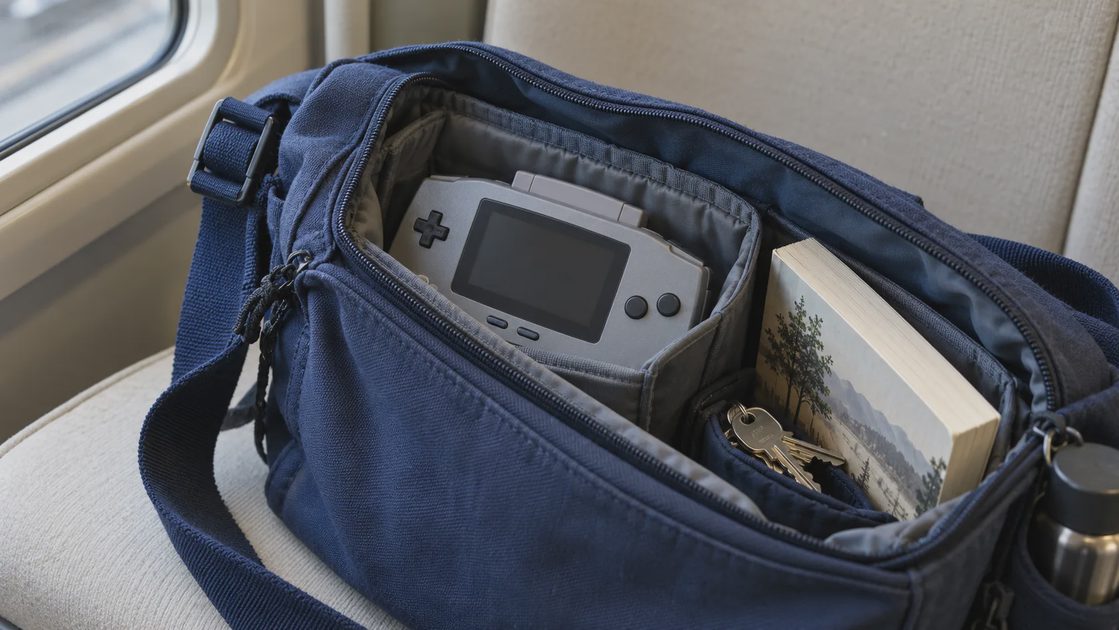
The GBA edition adds a results screen for tracking course completion and Dragon Coins, lets you save through the pause menu, and moves the spin jump to R. Nintendo's GBA instruction booklet documents those features. That save option preserves progress; it should not be confused with a save state capturing the exact instant of a jump.
Here is the distinction I would use to choose:
Version | Practical difference | Why I would choose it |
|---|---|---|
SNES original | Familiar four-face-button layout; saves offered after particular clears | Returning to the original control arrangement matters most |
GBA / Super Mario Advance 2 | R spin jump, pause-menu saving, and completion tracking | Keeping track of exploration across portable sessions matters more |
I would first check which version I already have a legitimate way to play. Neither choice needs a collector's justification, and I wouldn't buy another copy merely to make a familiar evening feel official.
Verdict: Worth Revisiting
I recommend Super Mario World because its movement supports both modest play and closer attention. You can return for a few courses without committing to a completion project, then follow a curiosity when you have the energy.
Before your next session, choose one goal from the table and confirm how you will save. Then give the game those few levels. They are enough to decide whether you want another evening in Dinosaur Land.